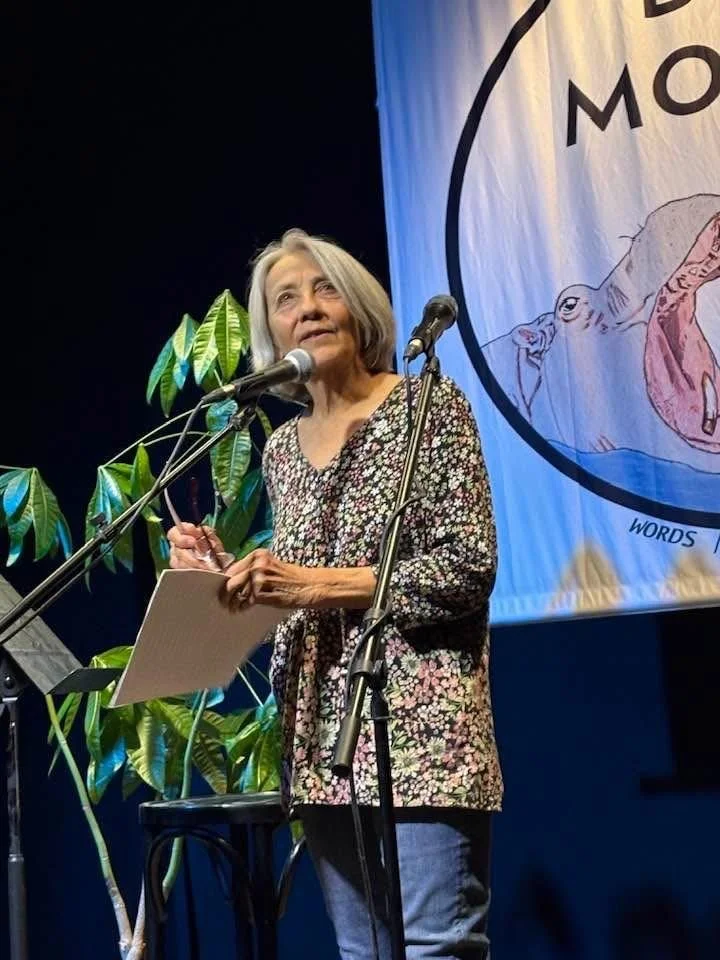
Tina Carlson on Craft, Mystery, Loss, Memory, Light, Nature, and Devotion <em> Nathan Conroy in conversation with Tina Carlson</em>
This scaling was inspired mostly by the canyon—we were surrounded by and living within billions of years of the earth’s history and held it in our hands, slept on its sands and climbed up cliffs and gullies to explore it. . . .
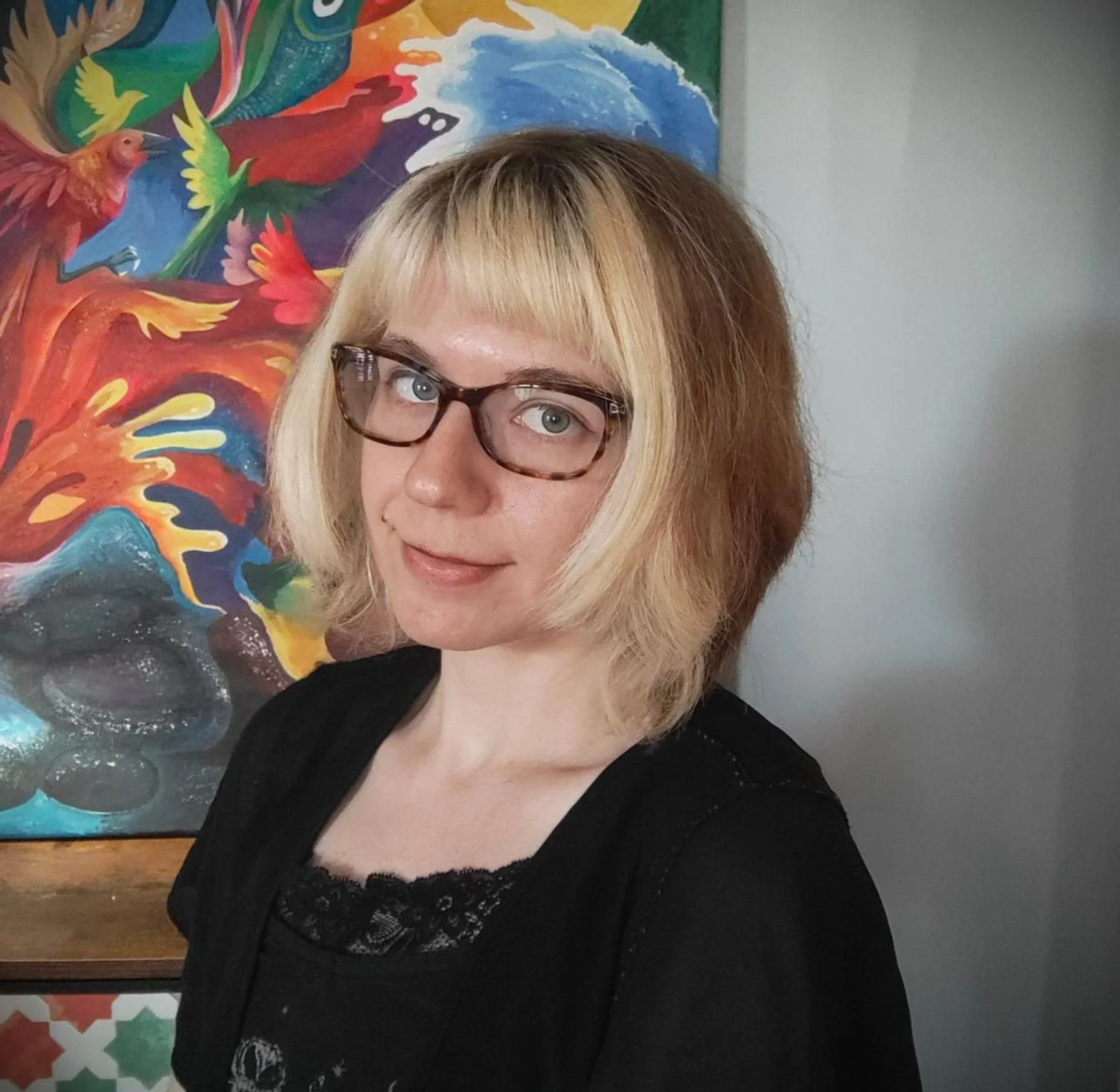
Kristin Emanuel on playfulness, evolution, and recognizing the marvelous. <em>Kristin Emanuel in conversation with poetry editor Camille Bliss</em>
Driving and death are interlinked for me. It’s hard to ignore the roadkill scattered along I-70, and I have other viscerally haunting memories, too, like a dead dog lodged in the grille shutter of my father’s car—the same car that I now pilot through the world . . . .
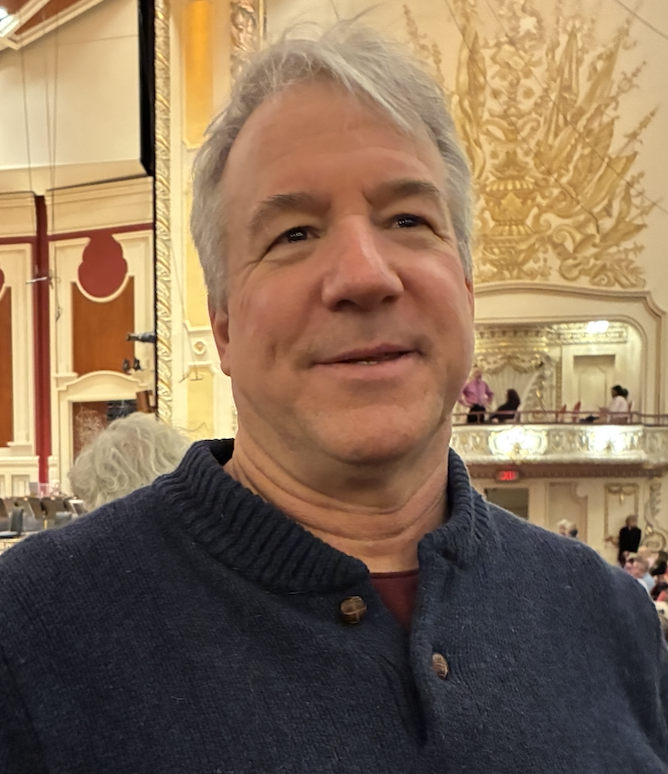
Mark Brazaitis on the art of fiction and writing what you know. <em>Mark Brazaitis in conversation with editor Sara Byrnes </em>
Sara Byrnes
Where did this story begin for you? Was it a character, an image, a setting, a theme, or something else entirely?
Mark Brazaitis
In 2017, I ran for a position on the Morgantown, West Virginia, City Council. One of my goals was to encourage the city to buy a 42-acre forest at its western edge and incorporate it into its underwhelming park system. I knew the Haymaker Forest, as it was called, well; my backyard abutted a portion of it (as did a hundred other backyards).
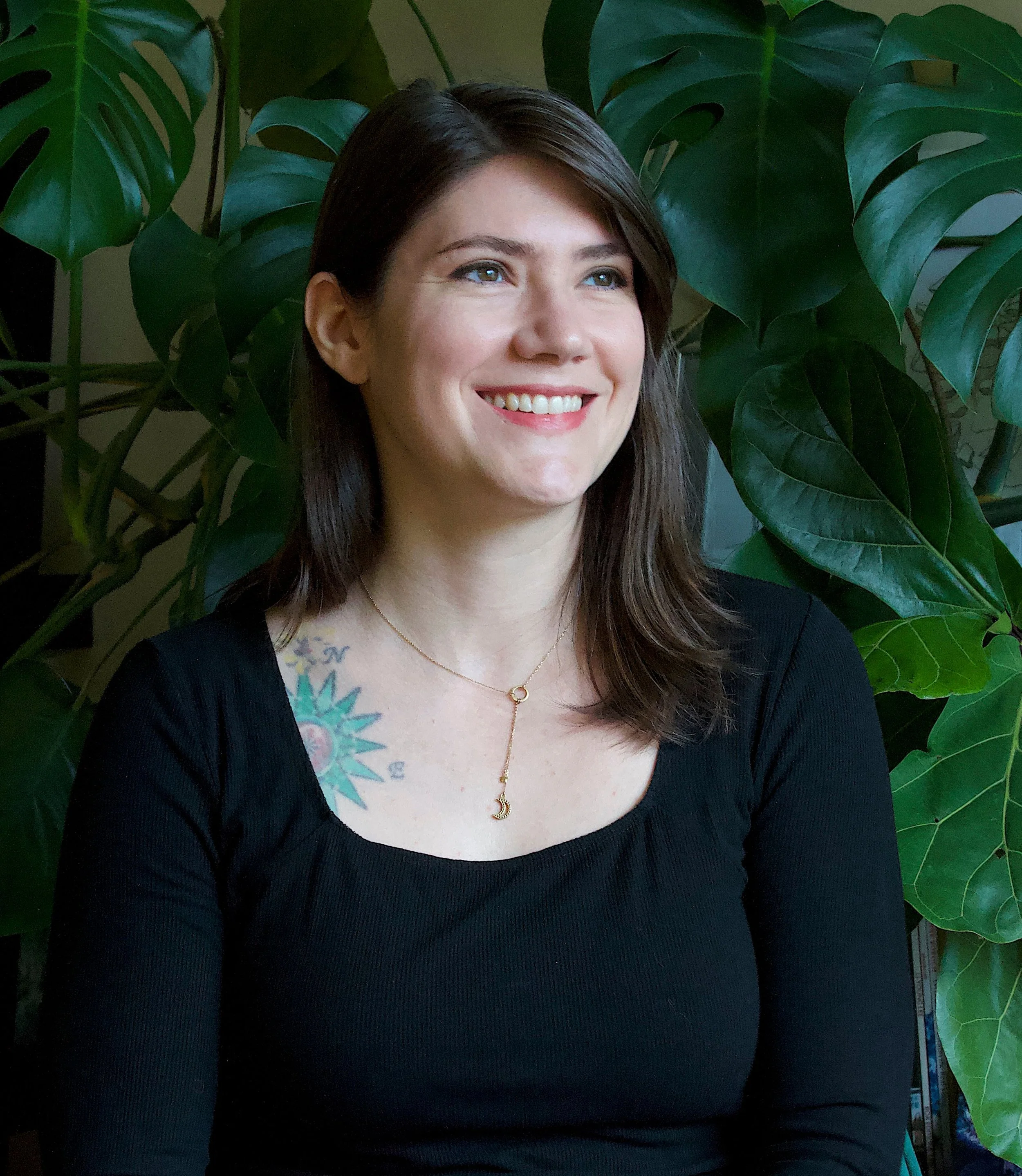
Arielle Hebert on freedom of choice, empathy, and art as protest. <em> Arielle Hebert in conversation with poetry editor, Camille Bliss </em>
Arielle Hebert
To me, everything is nature. I see humans as part of nature, rather than separate from it. Because we are so intertwined, most of my poems have natural or scientific images in them. I feel nourished and replenished when I spend time outdoors. Even just on walks around my suburban neighborhood, I’ll see birds, insects, hares, deer, and the occasional fox.
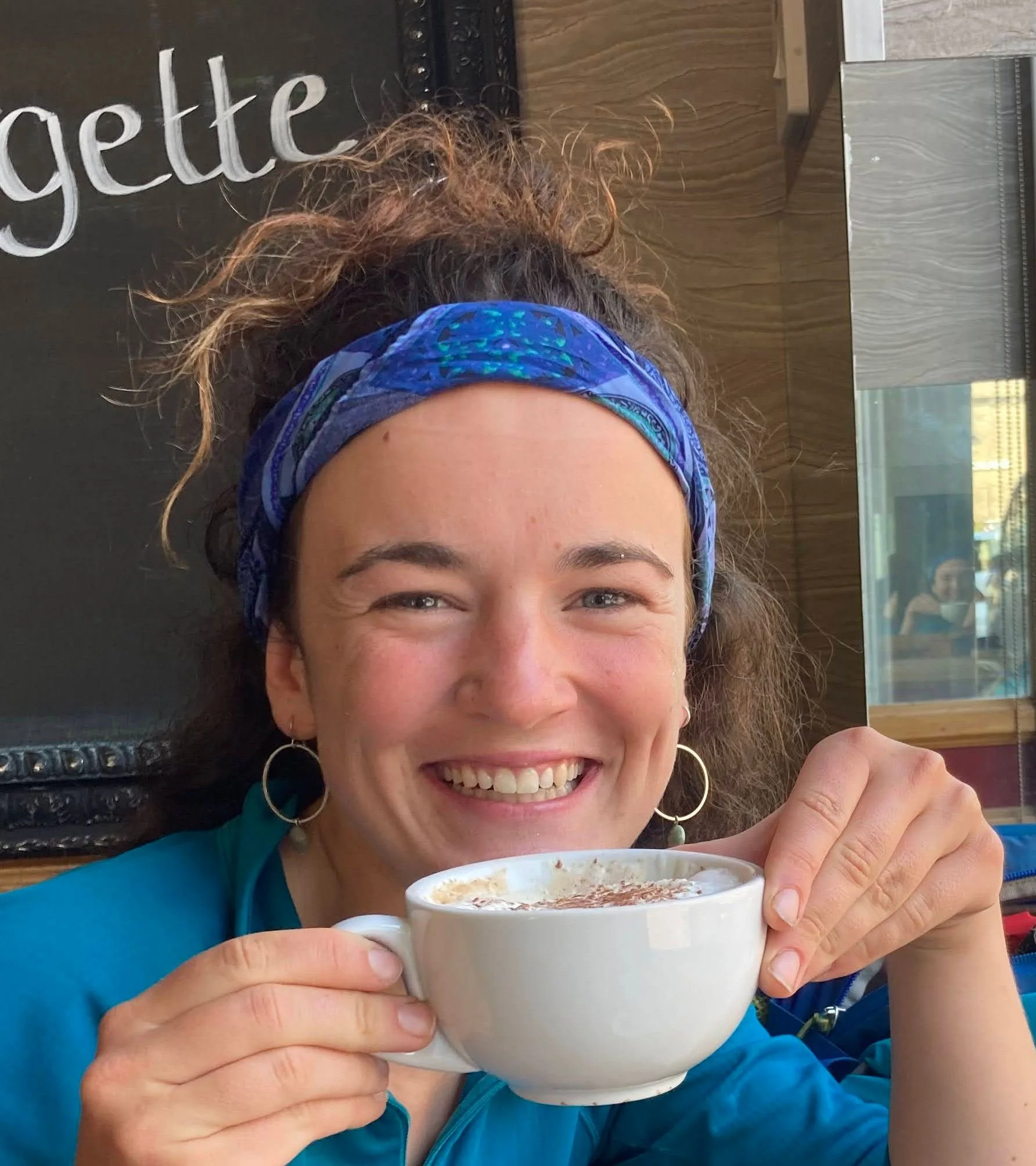
Ardyn Ford on the natural world, the uncanny, and the impossible. <em> Ardyn Ford in conversation with Sara Byrnes</em>
Ardyn
Totally! Growing up in Salt Lake City, where many people treat the surrounding landscape as a giant playground, I internalized this idea that the outdoors should always bring me joy and peace. In this way, violent and indifferent encounters in the natural world have challenged my relationship with control.
Environmental historian Richard White writes, “Work once bore the burden of connecting us with nature. In shifting much of this burden onto the various forms of play that take us back into nature, Americans have shifted the burden to leisure. And play cannot bear the weight. Work entails an embodiment, an interaction with the world, that is far more intense than play. We work to live. We cannot stop. But play, which can be as sensuous as work, does not so fully submerge us in the world.”
Elizabeth Ellen on finality, violence, and the call of the wild. <em>In conversation with Sara Byrnes, on Ellen’s story “Saunterathon.”</em>
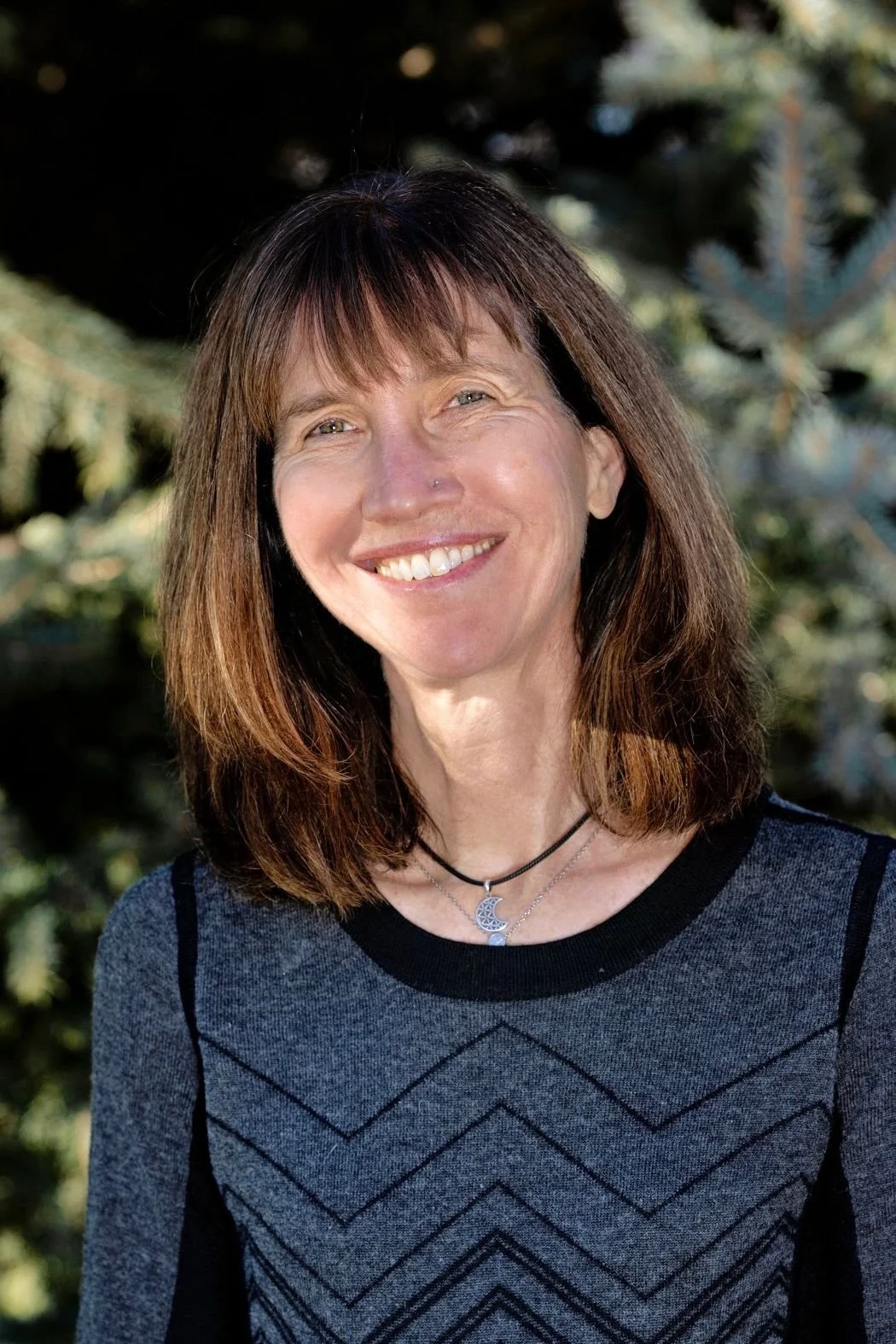
Jennifer Sinor on speculative nonfiction, bird-watching, and engagement with the natural world. <em>In conversation with Josepha Natzke on Sinor’s essay “Avimancy.” </em>
In your essay, you beautifully capture not only your own encounters observing (and searching!) for birds, but the experiences others have doing the same. I have in mind Mel’s story about the two cranes and their colt on the Salt Marsh. In the narratives it follows, your essay depicts bird-watching as a communal experience. Do you feel that your interactions with owls and other wildlife is inherently a shared experience, or is there a distinctly individual component to it as well?
I can only speak for myself, but the best way for me to learn is through stories. When I am with others in the natural world, it is stories that we share—stories about what we see in front of us, stories about what we have witnessed in the past, stories about when we watched an eagle fish, or a rock slide begin, or a bear that stood on a ridge, golden in the falling light. I learn why aspens flutter because my husband tells me the story of their flat stems, or I learn to spot a burrowing owl because Mike shares the story of their shape. Landscapes are storied places, meaning what I see arrives narrated by what I see before me, what I have seen in the past, stories I have been told, and stories I tell, as well as the mystery and wonder of all that remains unknown (the holes in the stories). In that way, our vision is never singular and always communal. I don’t just see an owl—I see all I have been told of owls, all the owls I have seen, the ones I have read about, the owls of my dreams. Of course, in the moment I don’t parse it. I just know—honestly feel is a better verb here—that when I see an owl, I am not alone in that seeing even if I am alone in the woods.